Drying Systems

Desiccant Chemical Air Dryer | Maintenance & Service

Desiccant air dryer servicing, desiccant replacement (-40°C to -70°C PDP), and dew point verification — HAVKOM.

Our Service & Engineering Scope

Turnkey supply, calibrated engineering tests, and certified independent technical service for maximum plant uptime.

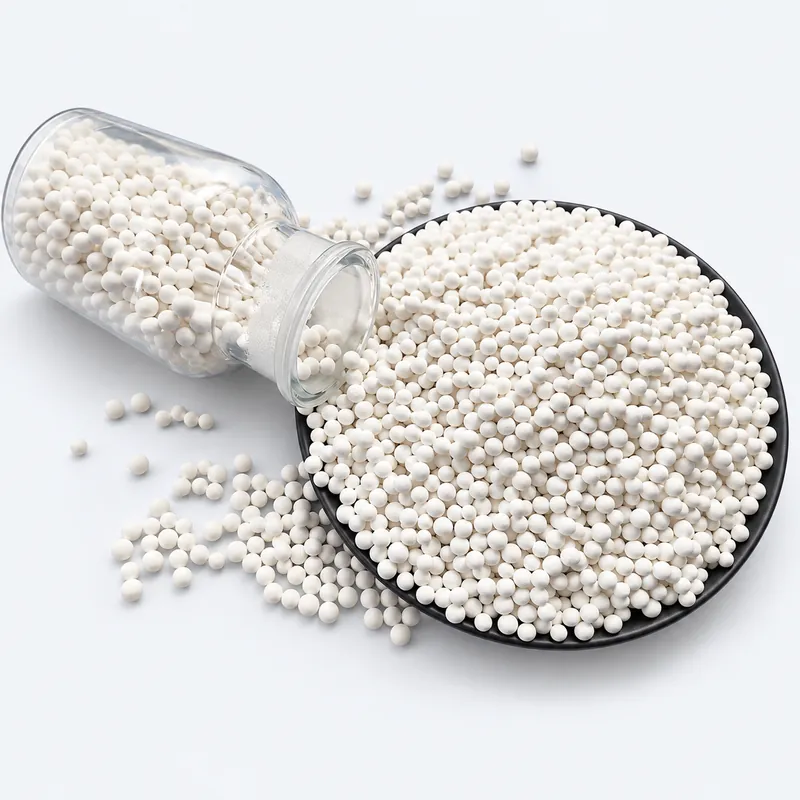
  • Desiccant media (spherical activated alumina / silica gel) replacement
  • Dew point measurement and reporting with calibrated instrument
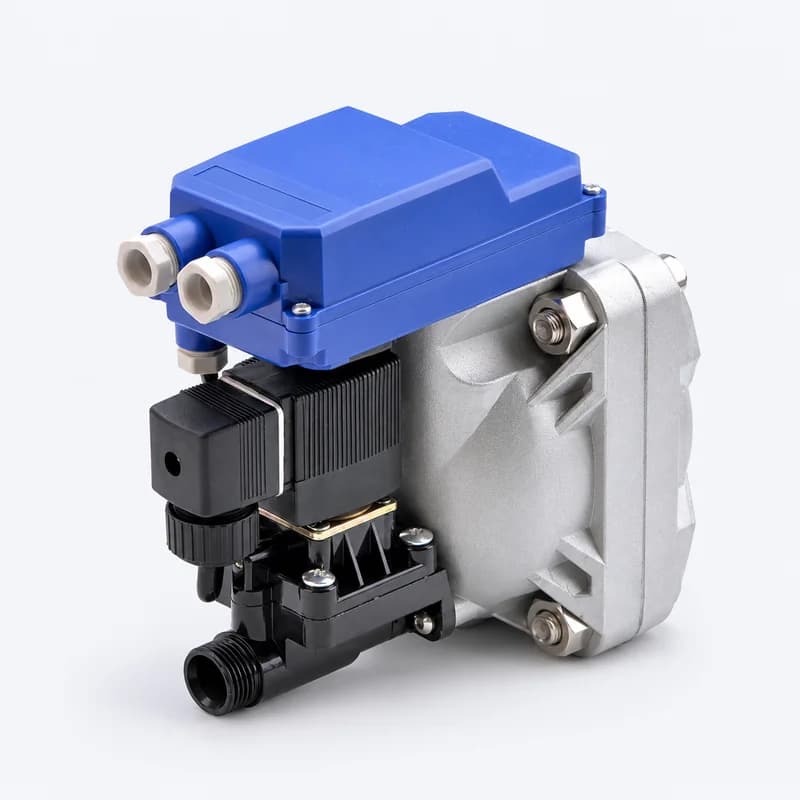
  • Solenoid, shuttle, and exhaust silencer inspection and overhaul
  • Regeneration cycle timing and purge flow optimization
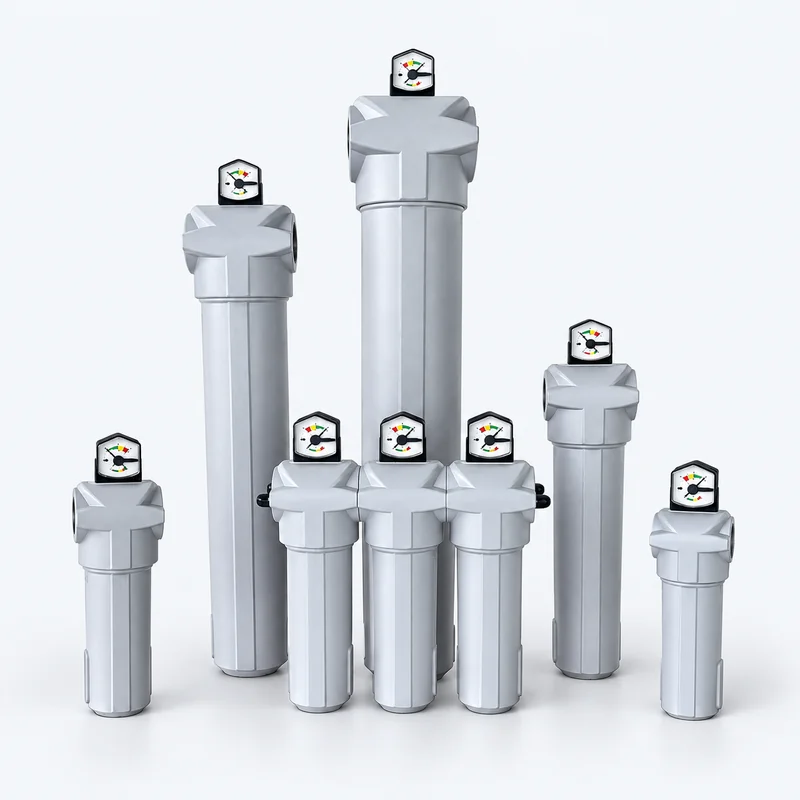
  • Upstream coalescing pre-filter and downstream particulate filter replacement
  • Periodic maintenance protocol with digital service archive
Desiccant Chemical Air Dryer | Maintenance & Service
HAVKOM Mühendislik

Technical Specifications & Parameters

Key operating metrics, operational thresholds, and quality benchmarks engineered for uninterrupted industrial duty.

Pressure Dew Point-40°C Standard / -70°C Optional (PDP)
Operating Pressure4 – 16 bar (Special models up to 50 bar)
Regeneration MethodHeatless, Heated Purge, or Blower Reactivated
Adsorbent MediaSpherical Activated Alumina & Silica Gel Beads
Moisture ClassISO 8573-1 Class 1 & Class 2 Air Quality
Cycle Duration10 min (PLC-controlled automatic valve sequence)

Engineering Principles & Working Mechanism

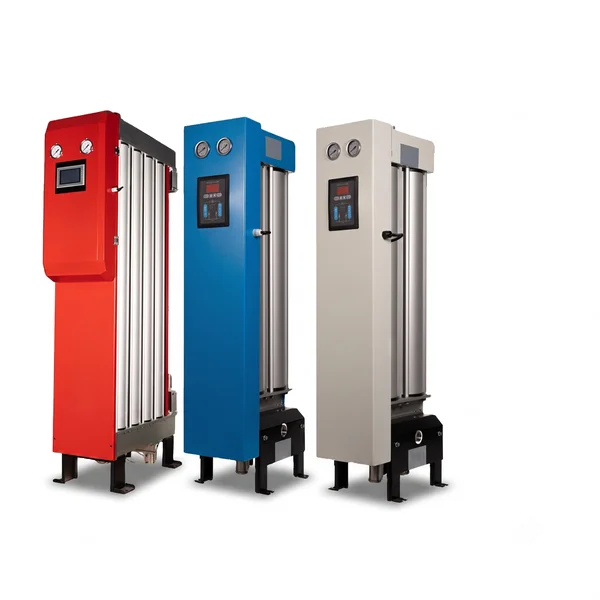
A chemical (adsorption) dryer uses hygroscopic materials such as activated alumina or silica gel to dry compressed air to dew points of -40°C to -70°C, far below the capability of refrigerated dryers. It is the equipment of choice in pharmaceuticals, food packaging, electronics testing, and outdoor pipework where deep drying is critical.

System performance is monitored directly through the outlet pressure dew point. A rising dew point indicates adsorbent fatigue, valve leakage, or contaminated inlet air. Measurement-based maintenance is therefore essential — not interval-only decisions.

At HAVKOM Engineering, we supply energy-efficient industrial chemical dryer systems alongside brand-independent technical service across all industrial makes. At every service visit, we measure dew point with a calibrated instrument, assess desiccant condition, and store the intervention report in our digital archive.
HAVKOM Independent Engineering Assurance

Requiring guaranteed -40°C or -70°C pressure dew point (PDP) for critical processes or outdoor pipework? Our engineering team conducts purge air optimization, valve seal tests, and calibrated dew point audits to ensure zero freeze-up.

In-depth Technical Guide

What Is a Chemical (Adsorption / Desiccant) Dryer?

Read Article

Frequently Asked Questions

When should the desiccant bed be replaced?

When the outlet dew point rises above the target value (-40°C or -70°C), adsorbent fatigue is indicated and desiccant replacement should be carried out. Making decisions based solely on elapsed time without measurement is not recommended.

What is the difference between heatless and heated desiccant dryers?

In heatless designs, 15–20% of dried compressed air is consumed for regeneration. In heated designs, an electric heater or waste heat is used, eliminating or minimizing this purge loss — a clear operating cost advantage for high-flow applications.

Contact our engineering team for proper product sizing and quote request.