
An oil-water separator (condensate separator) is equipment that treats the oily condensate water produced during compressor operation, enabling safe discharge to the environment. Condensate formed during compression in oil-injected compressors is a mixture of water, compressor oil, dust, and other contaminants. Discharging this mixture directly to the sewer without treatment violates environmental regulations and can result in severe penalties. Modern systems reduce condensate oil content to 5–10 ppm, safely meeting legal discharge limits (15–40 ppm in most regulations).
Operating Principle: Multi-Stage Treatment
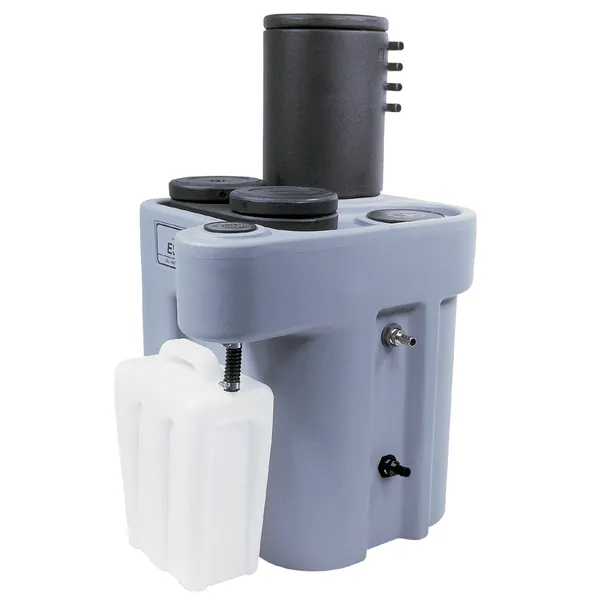
Oil-water separators work through a multi-stage process combining depressurization, mechanical separation, and adsorption.
Depressurization and pre-separation: Condensate collected from the compressor, dryer, tank, and filters enters the system. As pressure is reduced, large oil droplets are freed in the deceleration chamber and sink via liquid-liquid phase separation.
Oleophilic (oil-attracting) filtration: Condensate passes through a primary filter medium made of polypropylene or special oleophilic fibers. These fibers absorb and coalesce oil droplets; the concentrated oil sinks to the bottom and is transferred to the waste oil container.
Activated carbon polishing stage: Any remaining oil traces and hydrocarbons are passed through an activated carbon or organoclay filter. This final stage ensures the discharge water meets legal limits.
The clean water obtained at the end of the process is safely discharged to the sewer; the retained waste oil is collected in the waste oil container and handed over to licensed disposal companies.
Which Points Should Be Connected to the System?
All drain points must be directed to the oil-water separator, including the compressor aftercooler, air receiver, refrigeration dryer, inline filters, and condensate drain valves. No condensate line should be connected directly to a drain.
Environmental Compliance and Zero Air Loss Drainage
- Reduces condensate oil concentration below 10 ppm, complying with legal discharge limits
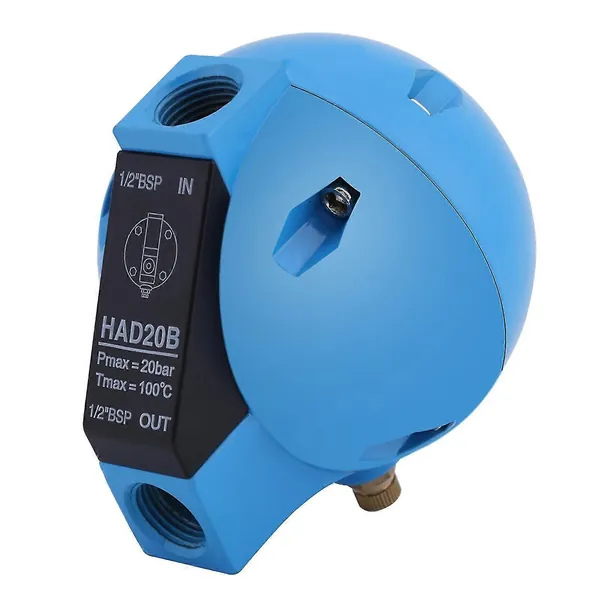
- Zero-loss level-sensed electronic drains preventing compressed air waste
- Centralized treatment combining drains from receiver, dryer, and filtration points
Condensate lines from receivers, dryers, and line filters must never be routed directly to drains. All discharge tubes should terminate in a depressurization manifold feeding the oil-water separator.
Legal Obligation and Maintenance
In Turkey and many other countries, it is a legal requirement to discharge compressor condensate without exceeding a specified oil concentration. Regular inspection and replacement of filter elements and the waste oil container is necessary to maintain both legal compliance and treatment efficiency. If oil cloudiness or bad odor is noticed in the discharge water, the filtration capacity should be considered full and replacement carried out immediately.
Visible oil film, cloudiness, or chemical odor in the discharge water indicates that the internal oleophilic and carbon cartridges are fully saturated. Service kits must be replaced promptly to prevent regulatory non-compliance.
At HAVKOM Engineering, we provide independent technical service for oil-water separator installation, maintenance, and filter element supply.
Need Technical Support or Spare Parts for Your System?
HAVKOM provides independent technical maintenance, periodic inspection, and OEM-compatible spare parts for compressed air, nitrogen generator, and dryer systems.