
Liquid water spraying from pneumatic actuators, paint spray guns, or sensitive CNC machinery represents one of the most disruptive and expensive compressed air faults in manufacturing facilities. When moisture appears in distribution piping despite having an inline air dryer, the system demands immediate technical diagnosis.
Root Causes of Water Carryover in Compressed Air Pipelines
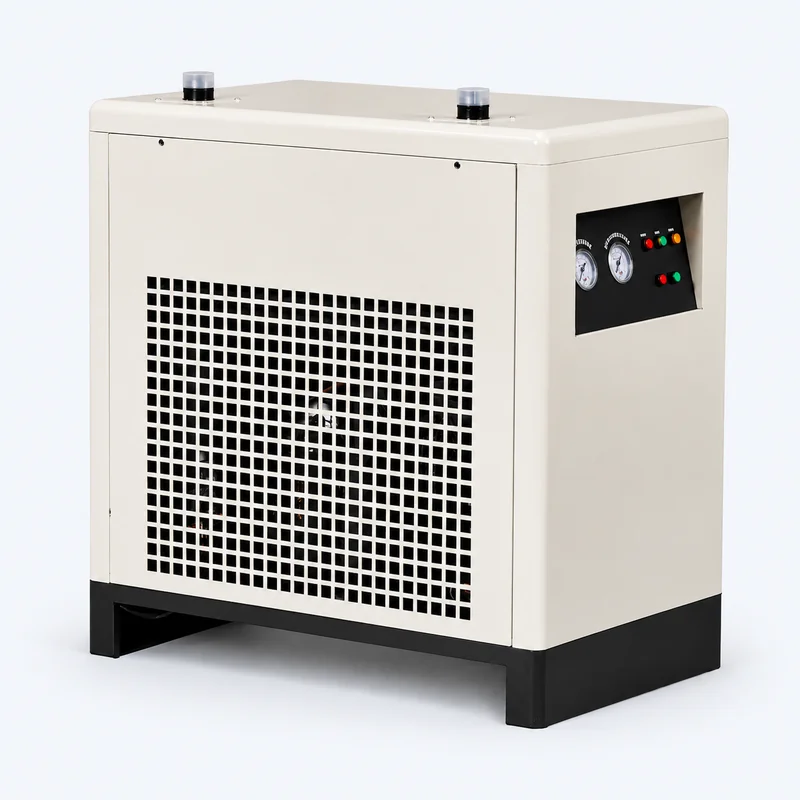
Atmospheric air entering an air compressor contains significant water vapor. As air is compressed and cools, this moisture condenses. Under ordinary operation, the compressed air dryer condenses and drains this water. Carryover into plant piping typically stems from:
1. Automatic Condensate Drain Blockage: Float-type or timed solenoid drains foul with rust flakes, lubricant varnish, and scale. When drainage is blocked, condensed water pools inside the separator bowl and gets swept directly down the distribution header. 2. Refrigerant Gas Leakage: Vibration or coil corrosion causes pinhole refrigerant leaks. As the charge depletes, evaporator temperature rises above the design +3°C setpoint (often reaching +15°C). Warm air bypasses cooling and condenses downstream in cold plant piping. 3. Dryer Overloading (Excess Flow or Extreme Inlet Temperature): If compressor delivery exceeds the dryer's rated capacity or if the compressor's aftercooler is clogged — sending 60°C+ air into the dryer — thermal capacity is overwhelmed.
If water travels into factory airlines while the dryer appears to be running, press the manual test button on the condensate drain immediately. If no liquid discharges, the drainage channel is fully choked.
The Decisive Role of Condensate Drains
Need service or spare parts for this equipment?
HAVKOM Engineering provides brand-independent maintenance and OEM-compatible spare parts.
Over 70% of moisture carryover emergencies trace back to failed or clogged automatic drains rather than catastrophic refrigeration failure.
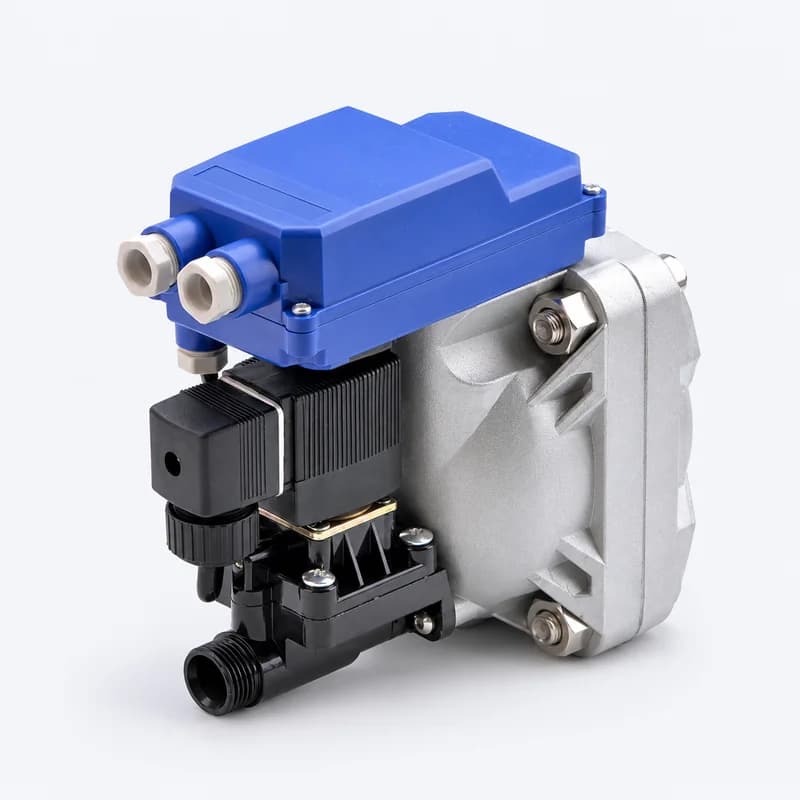
Reliable Drainage Architecture
- Large-bore direct-acting discharge valves immune to particulate clogging
- Capacitive non-contact level sensors preventing costly compressed air loss
- Visual diagnostic LEDs and automated alarm signal relays for plant SCADA
Upgrading failure-prone timer valves to level-sensing zero-air-loss electronic drains eliminates drain-induced carryover permanently.
Desiccant Bed Saturation and Purge Valve Failure in Chemical Dryers
In high-purity chemical (adsorption) dryers, moisture breakthrough occurs when the desiccant bed (activated alumina / silica gel) becomes coated with compressor oil mist or when purge regeneration valves fail to actuate. Under these conditions, the pressure dew point surges from -40°C into positive territory.
Liquid water carryover corrodes solenoid valves, causes blisters in spray coatings, ruins pharmaceutical batches, and permanently destroys laser optic lenses.
Action Plan to Stop Moisture Carryover
- Overhaul Condensate Drains: Clean internal strainers or replace faulty valves with electronic zero-loss units. - Clean Condenser Coils: Blow out dust and oil residue from air-cooled condenser fins; dirty fins drive up head pressure and trip thermal overloads. - Verify Pressure Dew Point: Measure actual line dew point using a calibrated portable hygrometer. - Inspect Upstream Pre-Filters: Confirm that coalescing separator pre-filters are draining properly before entering the dryer.
At HAVKOM Engineering, we provide independent technical maintenance and periodic servicing, refrigerant leak detection, zero-loss electronic drain installation, and OEM-compatible desiccant media for all industrial refrigerated and chemical air dryers. For field inspections, contact our engineering team.
Need Technical Support or Spare Parts for Your System?
HAVKOM provides independent technical maintenance, periodic inspection, and OEM-compatible spare parts for compressed air, nitrogen generator, and dryer systems.