
In compressed air and on-site nitrogen systems, Air and Nitrogen Receiver Tanks represent equipment that is as vital as the compressors themselves, yet frequently undersized during plant layout design.
An undersized receiver forces compressors into rapid, damaging load/unload cycles, while a neglected nitrogen buffer vessel causes pressure dropouts and purity fluctuations downstream.
The 3 Critical Engineering Functions of an Air Receiver
1. Absorbing Peak Demand Surges: When high-volume consumers (such as CNC machining centers, blasting booths, or lasers) actuate, instantaneous demand exceeds compressor flow capacity. The vessel bridges these peaks without system pressure collapse. 2. Protecting Compressor Drive Motors (Minimizing Cycling Frequency): Electric drive motors draw 5 to 7 times nominal current during across-the-line starts. Adequate receiver capacity moderates load/unload cycling frequency, curbing energy spikes. 3. Primary Moisture Separation: As hot air expands within the large vessel geometry, velocity plummets and thermal cooling occurs. Up to 50% of entrained bulk water precipitates directly to the tank floor, relieving upstream dryer loads.
Standard Receiver Sizing Rules of Thumb
Need service or spare parts for this equipment?
HAVKOM Engineering provides brand-independent maintenance and OEM-compatible spare parts.
For fixed-speed rotary screw compressors, the recognized sizing benchmark states:
$$ ext{Receiver Volume (Liters)} approx ext{Compressor Delivery (m³/min)} imes (250 ext{ to } 350)$$
Standard Equipment Sizing Chart: - $1.5 ext{ m}^3/ ext{min}$ Compressor (11 kW): $approx mathbf{500 ext{ Liters}}$ Air Receiver - $3.0 ext{ m}^3/ ext{min}$ Compressor (18.5 – 22 kW): $approx mathbf{1,000 ext{ Liters}}$ Air Receiver - $6.0 ext{ m}^3/ ext{min}$ Compressor (37 – 45 kW): $approx mathbf{1,500 – 2,000 ext{ Liters}}$ Air Receiver - $10.0 ext{ m}^3/ ext{min}$ Compressor (55 – 75 kW): $approx mathbf{3,000 ext{ Liters}}$ Air Receiver
The Critical Duty of Nitrogen Buffer Receivers
In PSA nitrogen systems, installing a dedicated Nitrogen Buffer Receiver downstream is non-negotiable. PSA systems alternate towers every 60–90 seconds. During bed pressure equalization steps, product output momentarily pauses for 2–3 seconds; the buffer vessel bridges this transition, maintaining rock-solid line pressure and purity.
With variable-speed drive (VSD) compressors, the sizing multiplier can be lowered to 150–200 due to modulating motor RPM; however, nitrogen buffer storage should remain generous.
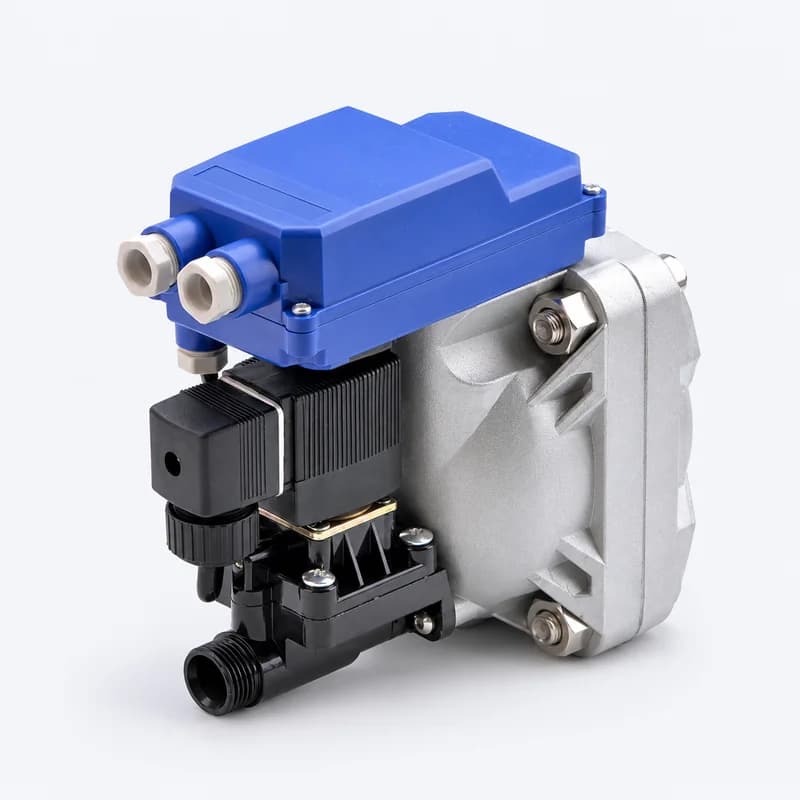
Verify automatic condensate drainage weekly. A receiver flooded with condensed water loses effective pneumatic capacitance and pushes liquid into air lines.
At HAVKOM Engineering, we size and supply certified air receivers and nitrogen process buffer vessels engineered for rigorous duty. For sizing calculations, contact our engineering team.
Need Technical Support or Spare Parts for Your System?
HAVKOM provides independent technical maintenance, periodic inspection, and OEM-compatible spare parts for compressed air, nitrogen generator, and dryer systems.